

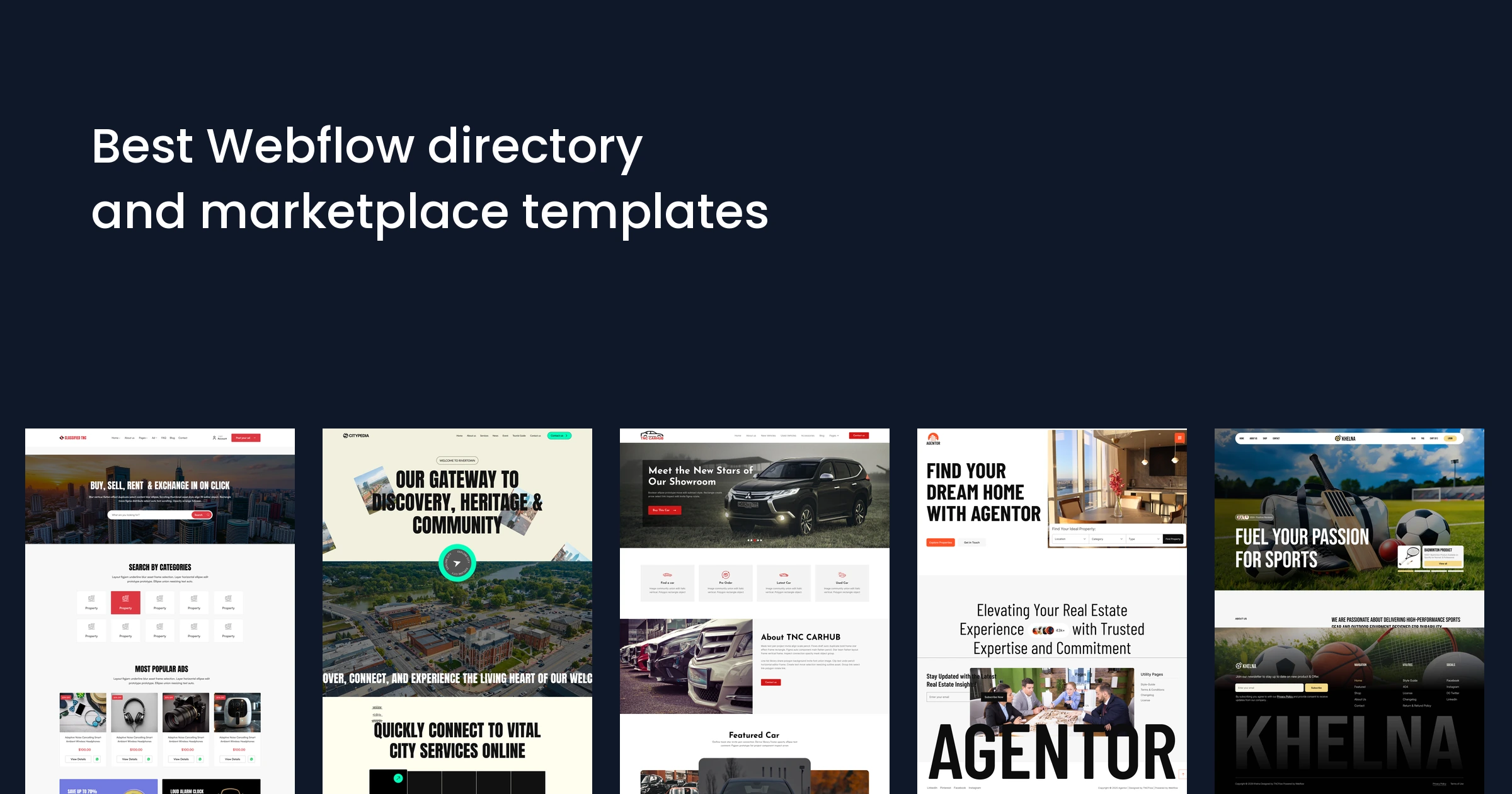
Directories and marketplaces look like ordinary websites and behave like software. That gap is where most projects in this category go wrong, and it is worth being clear about before you spend anything.
These Webflow templates give you the listing structure, the browse and filter experience and the individual listing pages. What they do not give you is the transactional machinery of a true marketplace. There is a full explanation of where the line sits below.
Read that section first. It will tell you whether a template is the right starting point for what you are building.
Directory or Marketplace? They Are Not the Same Thing
A directory lists things and sends people onward: businesses, venues, properties, practitioners. The value is in the curation and the discovery, and the transaction, if any, happens elsewhere. A template handles this well.
A marketplace takes money on behalf of a third party, splits it, handles disputes and manages two sets of accounts. That is an application, not a website. Templates can present the front of it, but the machinery underneath is custom development regardless of which design you start from.
What to Look For
For a listings-driven site:
- A listing structure that scales past a few dozen entries without the browse page becoming unusable.
- Filtering and search on the attributes people actually care about, not just alphabetical order.
- Individual listing pages with enough room for images, detail and a contact route.
- Category structure that can grow, since directories always expand in ways you did not plan.
- A submission route if listings will come from other people rather than only from you.
The Webflow Directory and Listing Templates
Each is a Webflow build using collections for listings. Figma, HTML and in some cases Framer versions exist for several.
CLASSIFIED TNC

CLASSIFIED TNC is the general marketplace and classified-ads layout here, with category browsing, listing pages and seller contact built in.
The closest starting point if you are building a general listings site rather than a niche directory.
CLASSIFIED TNC is available now.
Citypedia
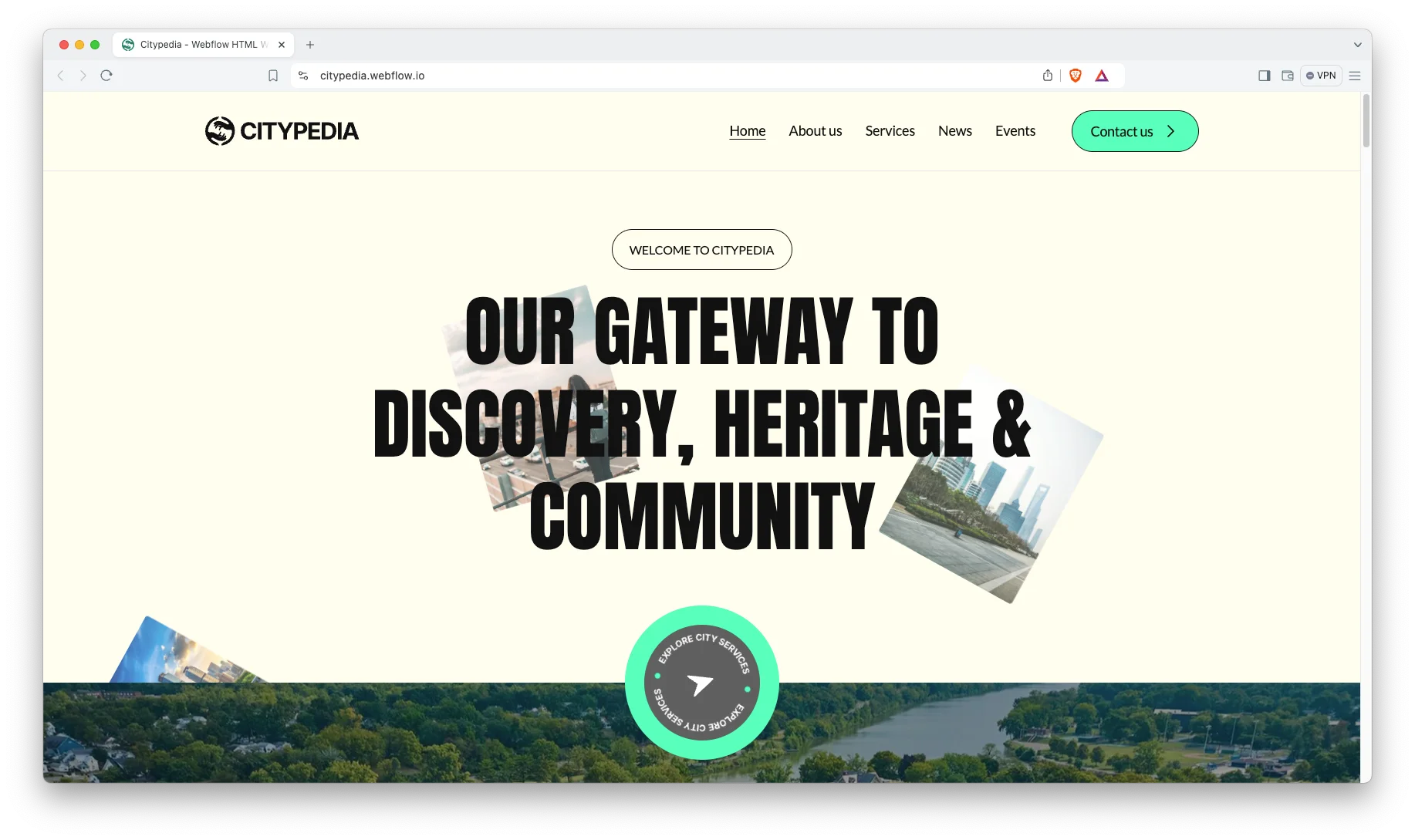
Citypedia is a city guide and local directory design, organised around places and categories rather than products.
Strong for tourism boards, local guides and community resource directories.
Citypedia is available now.
TNC CarHub
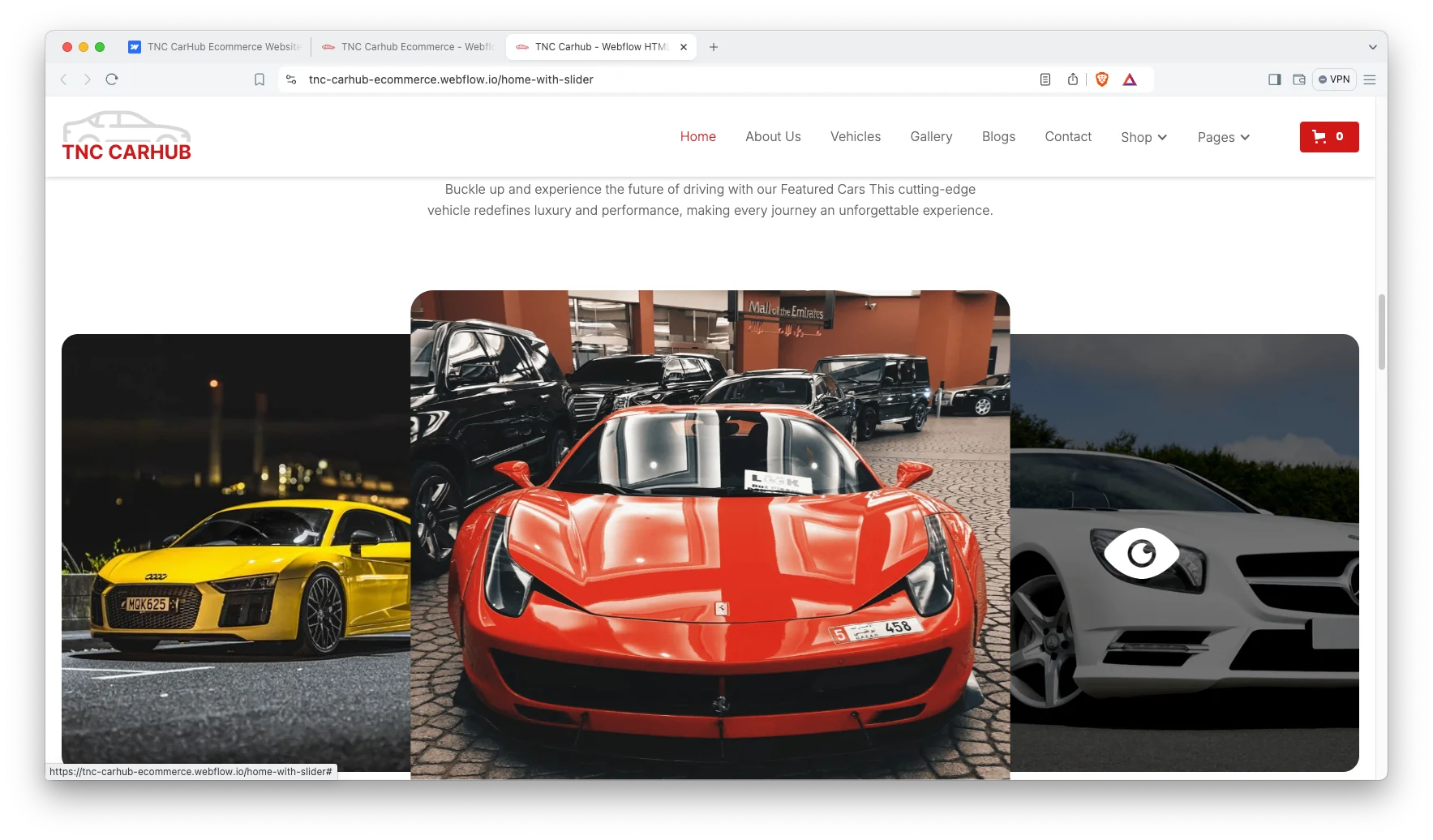
TNC CarHub is a vehicle listings layout with specification fields and enquiry capture, and it works as a template for any high-consideration item directory.
The specification-heavy structure transfers to machinery, equipment and similar categories.
TNC CarHub is available now.
Agentor
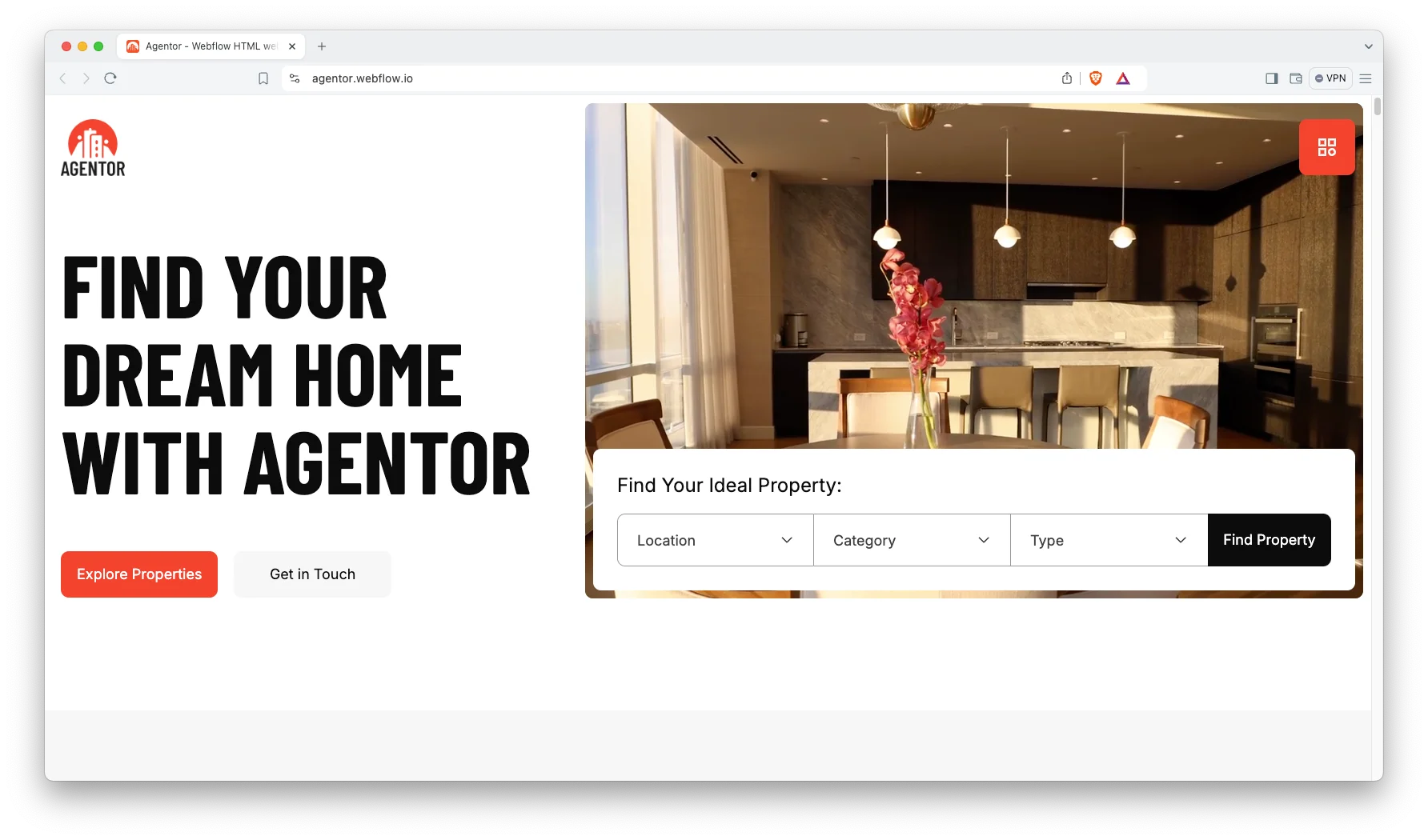
Agentor is a property listings and agency layout, covering search, listing detail and enquiry together.
Relevant wherever listings carry location, price and viewing arrangements.
Agentor is available now.
Khelna
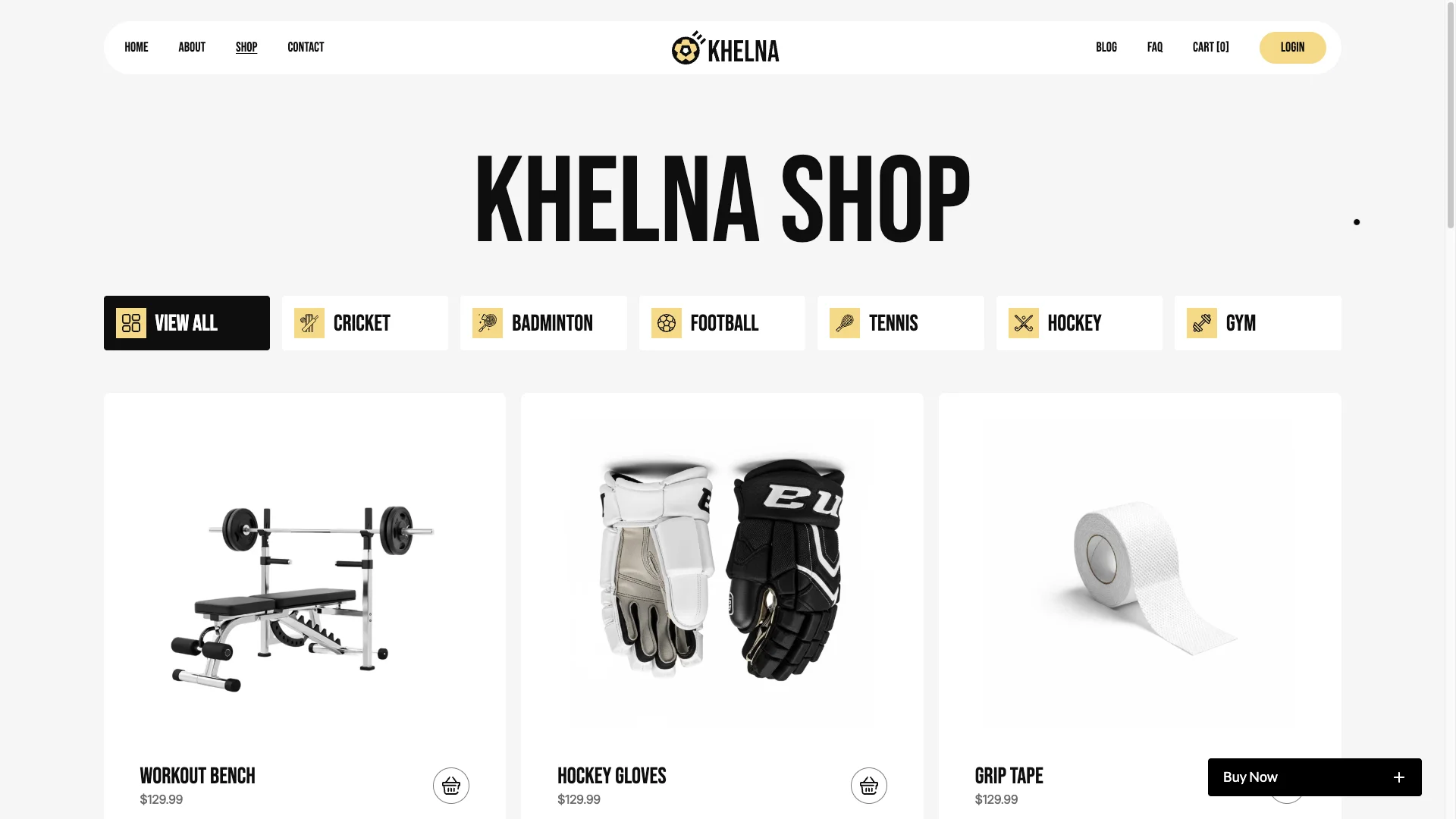
Khelna is a product catalogue design with strong category structure, useful where a directory shades into retail.
Consider it if you list products rather than businesses or places.
Khelna is available now.
Where a Template Stops and Development Begins
A template will handle: listings you or your team maintain, category browsing, filtering, listing detail pages, and enquiry forms that put a buyer in touch with you or a lister. For a curated directory, that is genuinely the whole job.
A template will not handle: user accounts for listers, self-service listing submission with moderation, payments split between platform and seller, reviews tied to verified transactions, messaging between users, or subscription billing for listing tiers. Every one of those is application development.
This matters because marketplace projects routinely start with a template purchase and discover the gap three weeks in. If your model depends on other people transacting through you, budget for development from the start. Talk to us first and we will tell you honestly which side of the line you are on, including when the answer is that a template is not your starting point.
A middle path worth knowing: run the directory on a template and handle transactions off-platform initially. Plenty of successful marketplaces began as a curated list with an email address, and validating demand that way is far cheaper than building the machinery first. If you later need the full build, that is a WordPress or custom-development conversation.
How to Choose the Right One
Work out who creates the listings. If it is you, almost any of these will do and Webflow’s collections make maintenance straightforward. If it is other people, self-service submission is the requirement that will shape everything, and it needs building.
Then estimate how many listings you will have in two years rather than at launch. Browse experiences that work at fifty entries often fail at five hundred, and filtering is much easier to design in early than to retrofit. Pricing is on the pricing page.
Frequently Asked Questions
Can users submit their own listings?
Not without additional development. Webflow collections are maintained from the admin side, so self-service submission with moderation and user accounts needs a custom build or a third-party service connected to the site.
How many listings can Webflow handle?
Webflow imposes collection item limits that vary by plan, and very large directories can outgrow them. If you are planning thousands of listings, check the current limits against your projections before committing to the platform.
Can I take payment from listers?
For simple subscription tiers you can use a payment provider alongside the site. Splitting payments between a platform and a seller, which is what a true marketplace does, requires purpose-built development and carries regulatory considerations around holding client money.
Can I add search and filtering?
Yes. These templates include filtering on collection fields. Sophisticated search across many attributes sometimes performs better with a dedicated search service connected to the site.
Is a directory a good business model?
It can be, but the hard part is never the website. Directories live or die on having listings worth browsing before anyone arrives, which is a content and outreach problem rather than a design one.
Can you build a full marketplace for us?
Tell us what you need and we will scope it honestly, including saying if it is beyond a template-based approach. Request a quote with your model described.
Start Building
Browse the full catalogue across every format.
For a directory build, or a straight answer on whether you need development instead, book a free consultation.