
 Webflow CMS Preview
  Framer Preview
  HTML Preview
  Figma Preview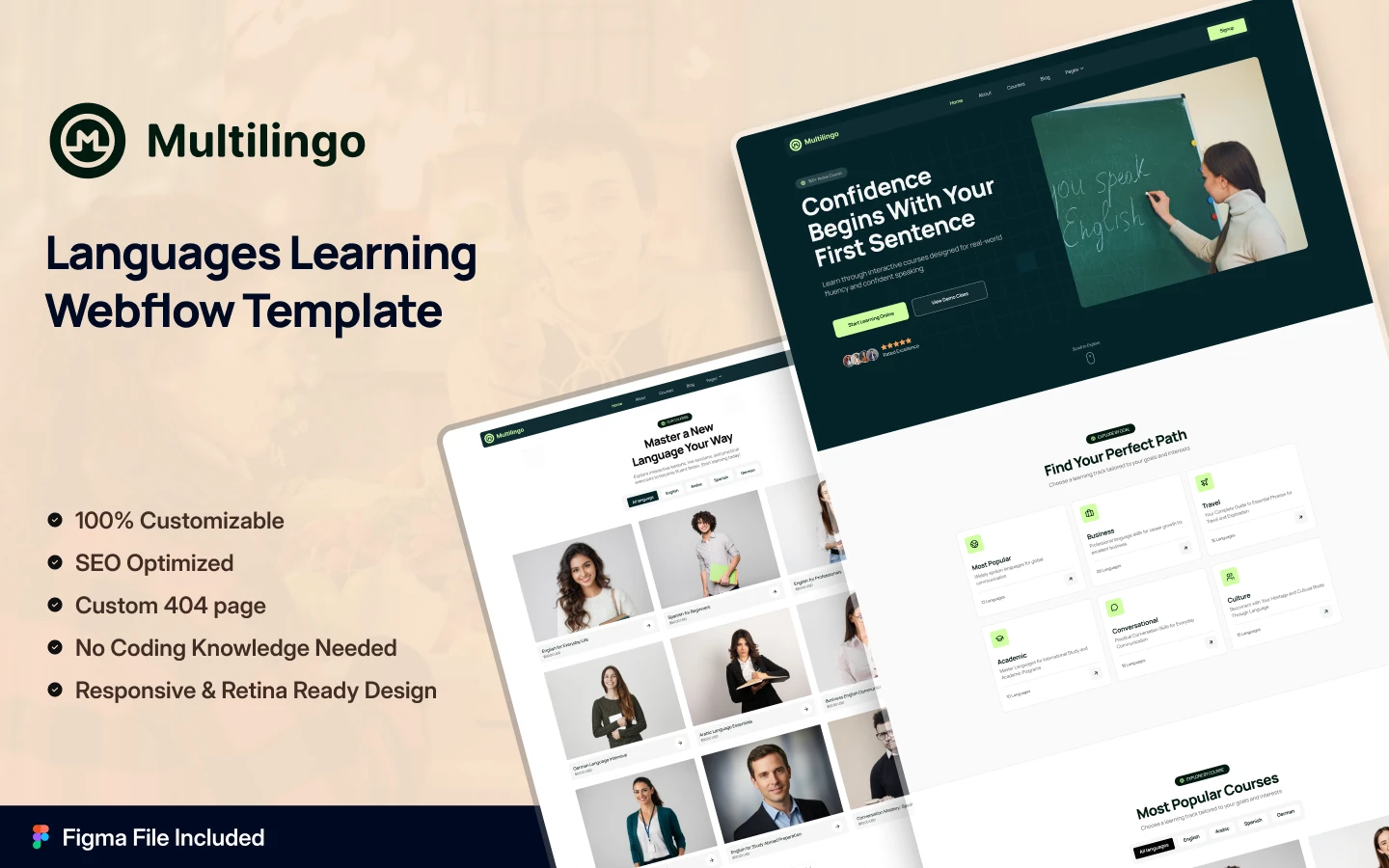
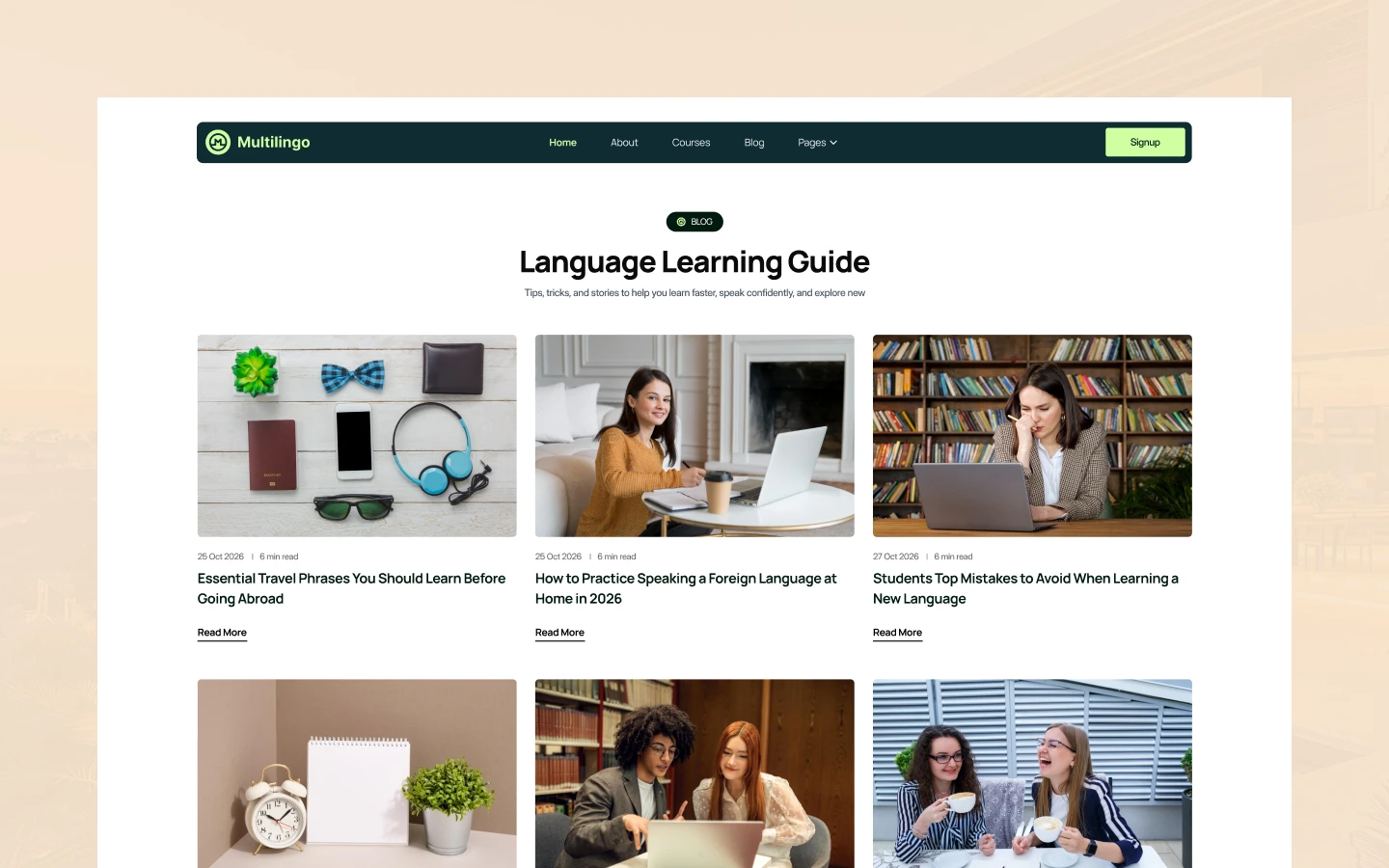
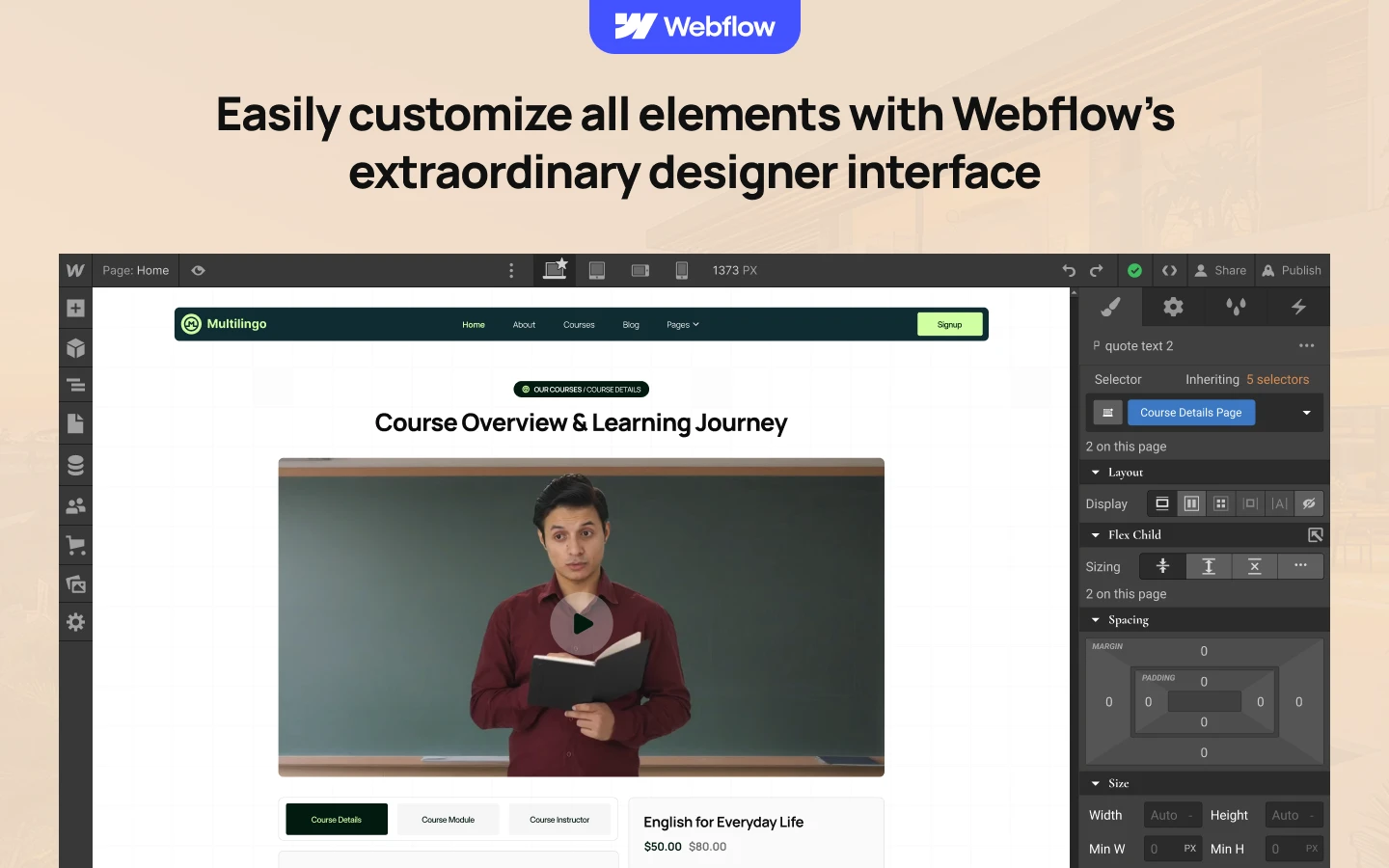
Launch your professional language learning platform instantly with Multilingo, an impressive HTML template with course catalogs, tutor profiles & enrollment funnels. Made for language schools, course creators & any language learning platform.
Every day, millions of students scroll, search, and click, hunting for their next language course or tutor. People judge your learning platform in seconds, even before they hit enroll. The Multilingo Webflow language learning website template is created exactly for that. This modern Webflow template helps language schools, tutors, and course creators present their offerings in a professional way that visitors instantly notice. It’s designed for language academies, online course platforms, and multilingual training businesses.
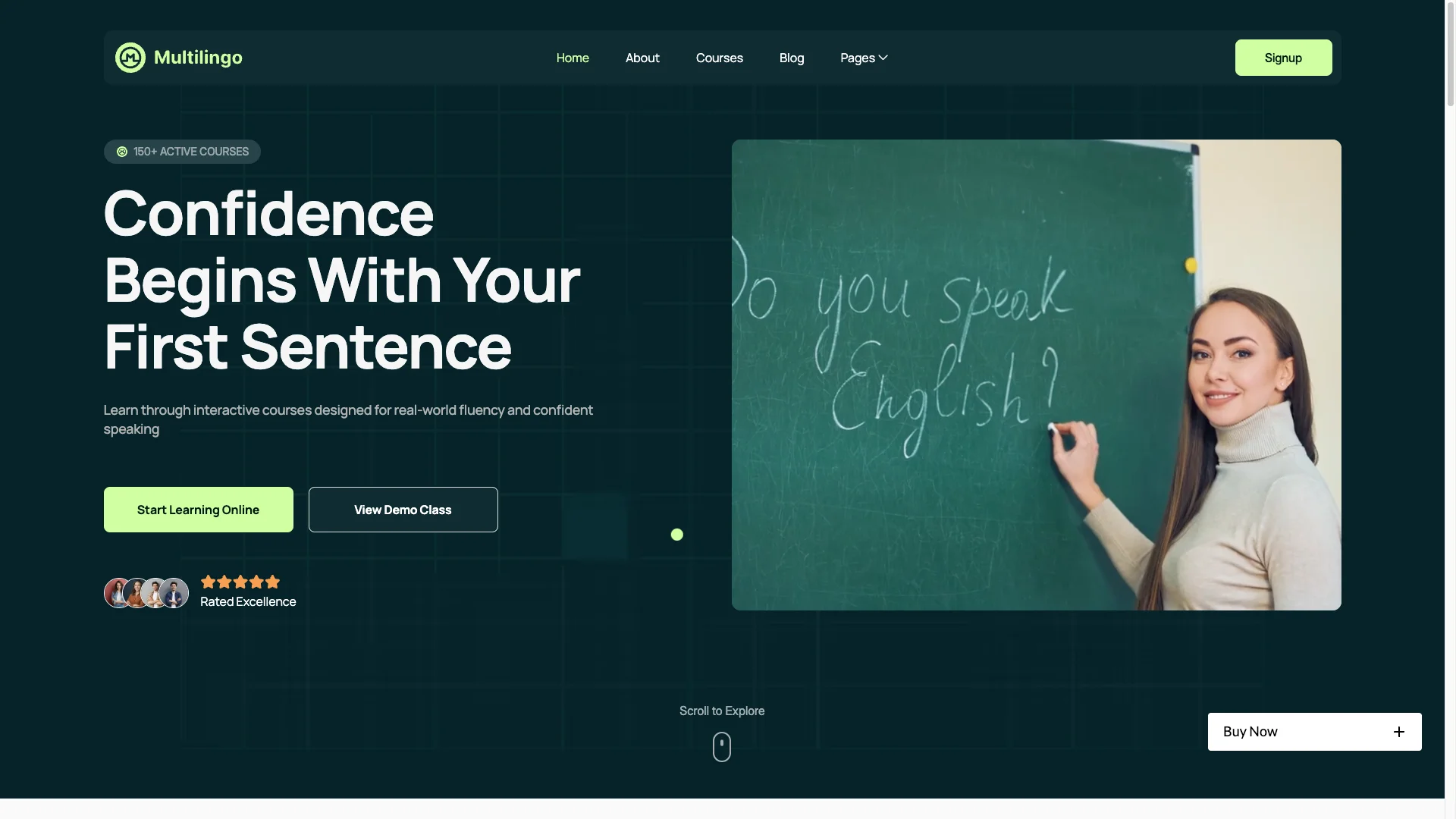
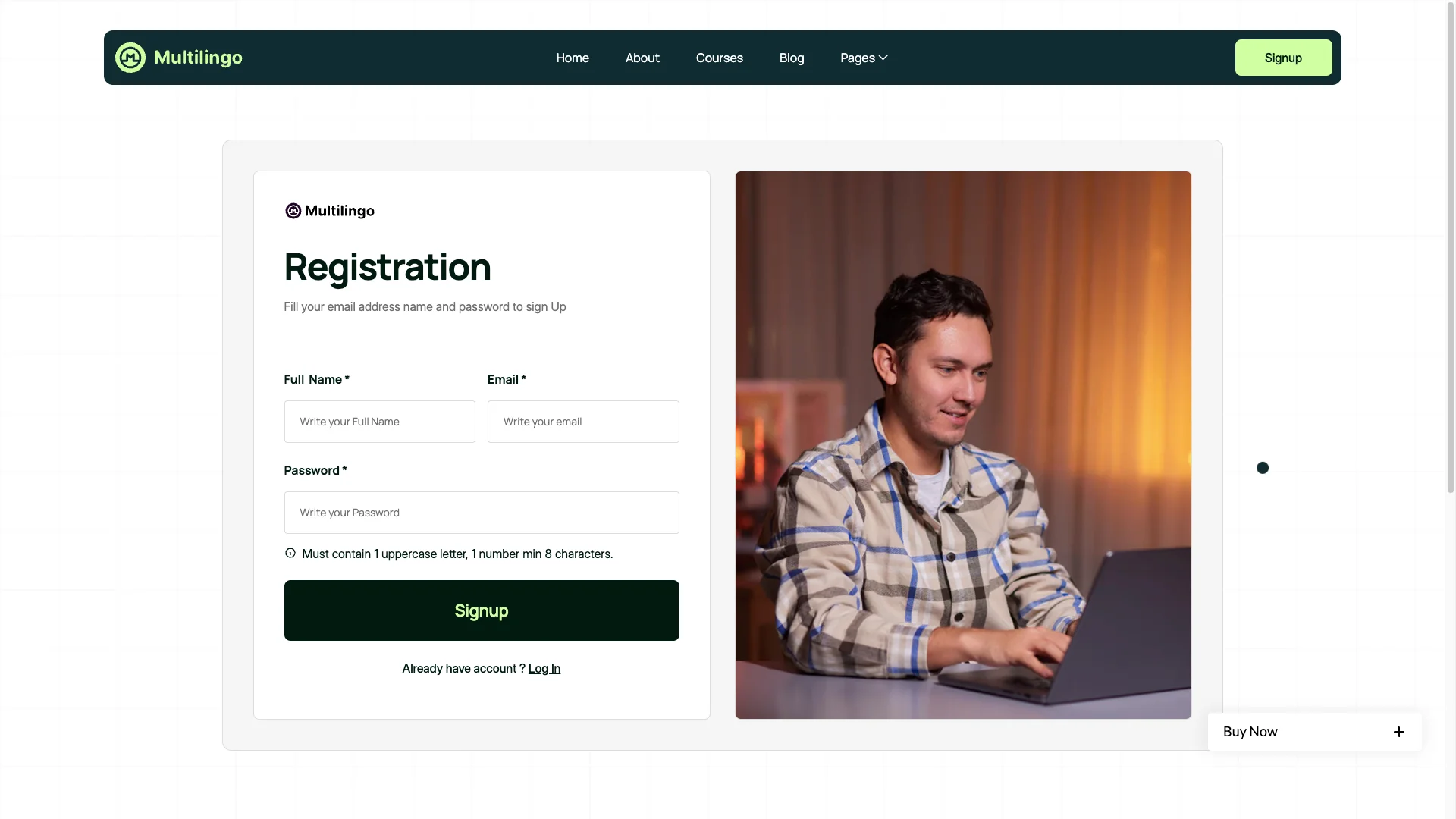
Multilingo is built for educators serious about their courses and student growth. You will get a well-organized design layout and CMS for courses, tutors, testimonials, and more. It helps learners easily explore your content and stay engaged with your platform. Multilingo instantly builds student trust with bold hero sections, filterable course archives, detailed tutor profiles, featured language cards, animated testimonial marquees, flexible pricing tables, and unique enrollment forms.
Explore the live preview now!
Who Should Choose Multilingo?
Multilingo is ideal for online language schools, language schools, ESL tutors, Duolingo alternatives, corporate language training, language immersion programs, language learning platforms, EdTech SaaS platforms, language course marketplaces, certification providers, conversation practice platforms, pronunciation coaches, and any language-focused website.
Key Features that Make Multilingo Amazing
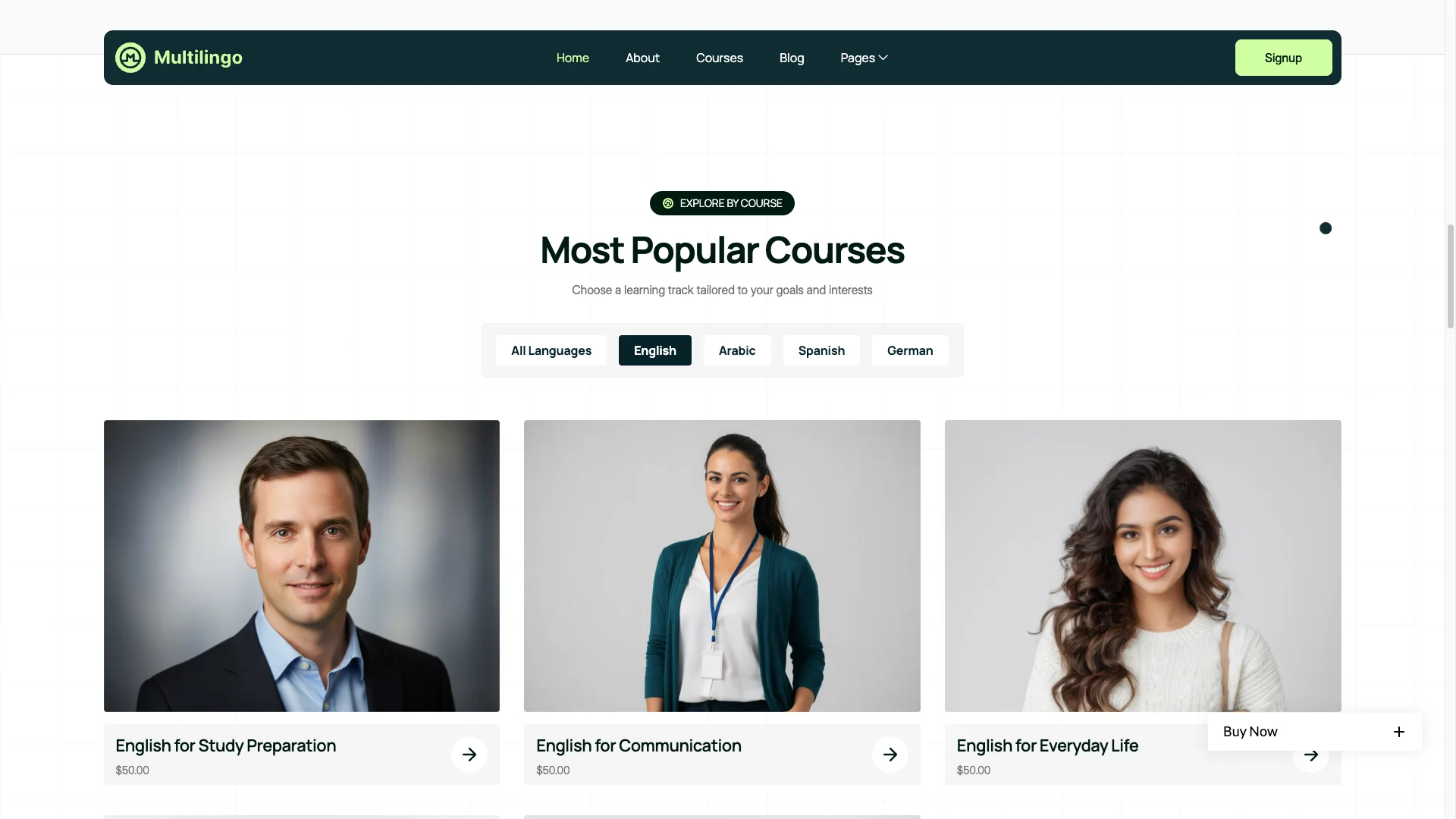
Course Library Made Simple: Organize all courses in a CMS library. Visitors can filter by language and quickly find classes, with each card showing title, level, duration, tutor photo, and enrollment button.
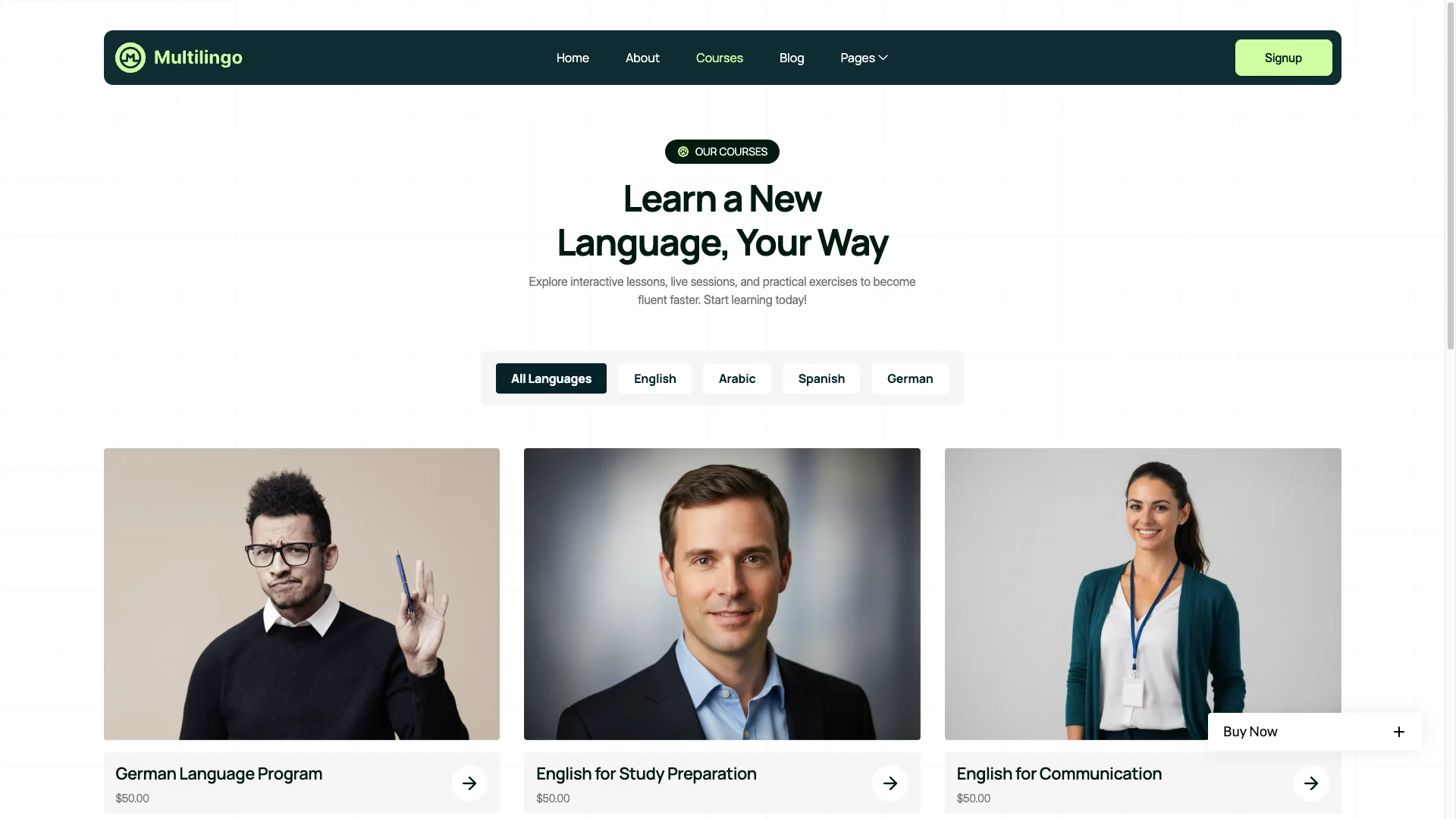
Vibrant Learning Theme: Multilingo uses a fresh, colorful design and bold calls-to-action. It makes your platform look approachable and trustworthy while highlighting your courses.
Easy Content Management: Manage courses, languages, tutor pages, blog posts, testimonials, FAQs, and newsletter sign-ups through CMS. Editing and updating your site is simple and fast.
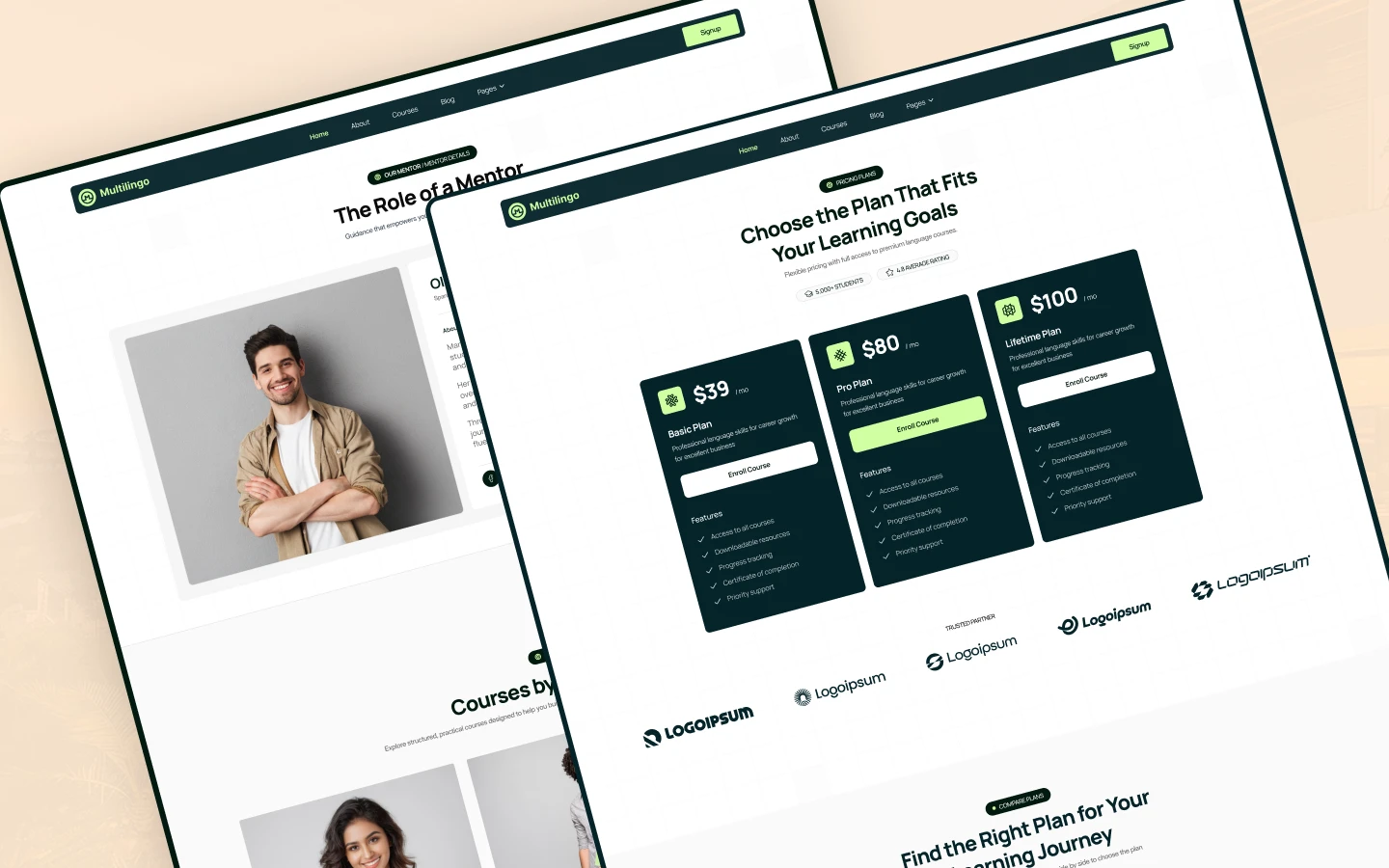
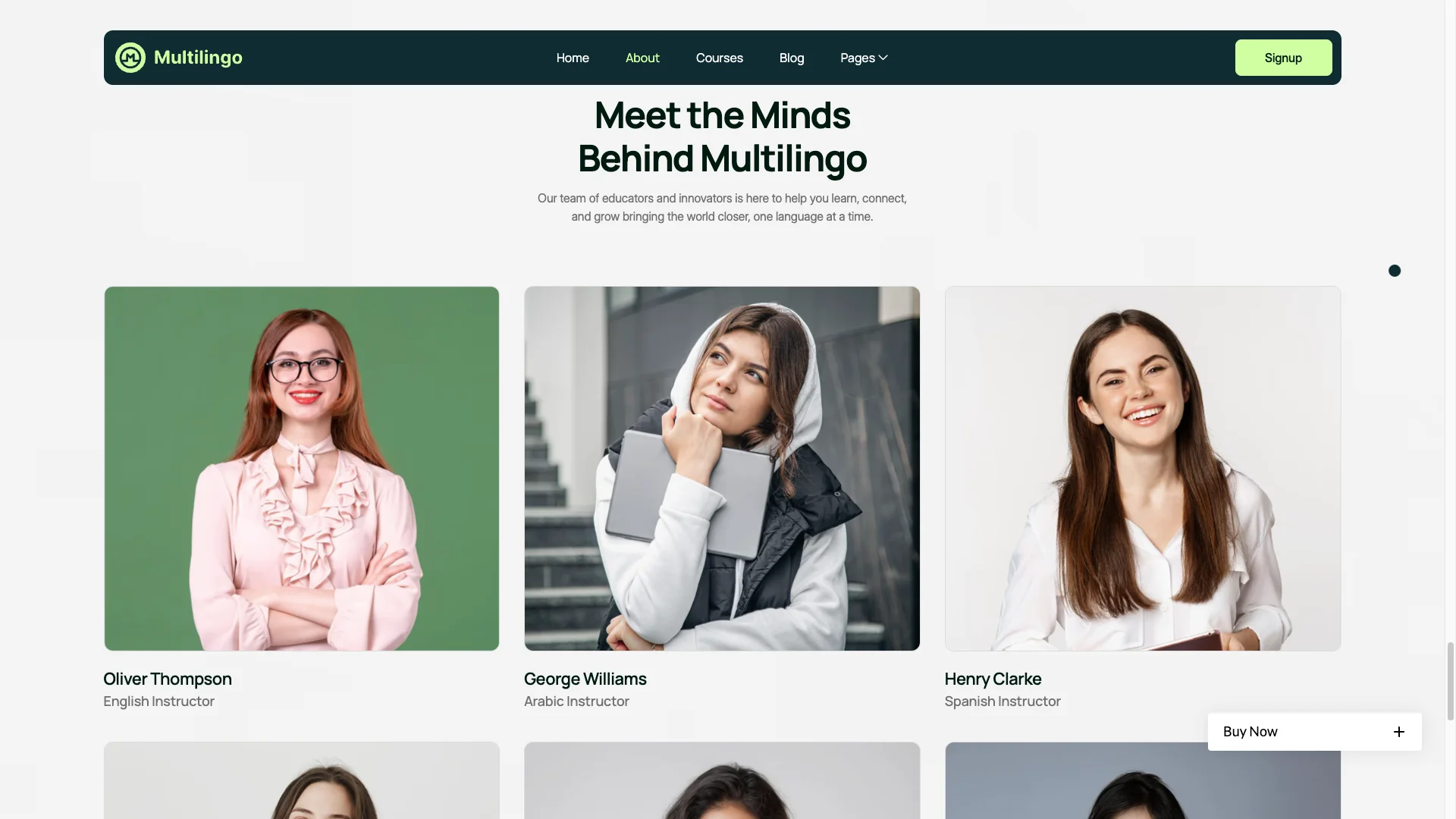
Spotlight on Tutors: Showcase instructors with dedicated profile pages. Each includes photo, bio, languages taught, experience, and more.
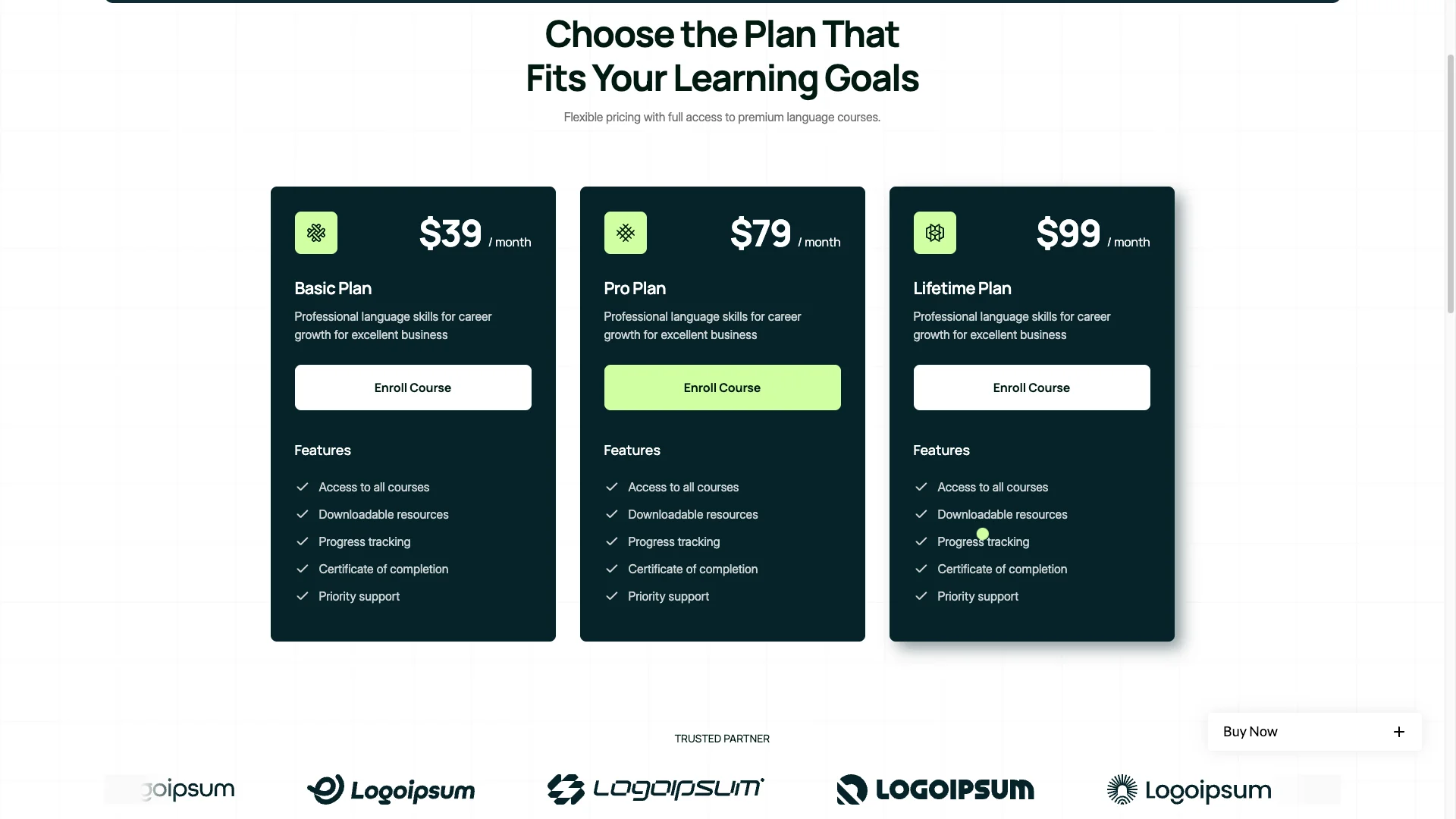
Pricing showcase: Built-in pricing section for course packages, subscriptions, or group classes. Ideal for one-time enrollments, monthly plans, or premium access tiers.
Student Reviews: Display feedback with a scrolling testimonial carousel. Highlight learner success stories and ratings to build instant credibility.

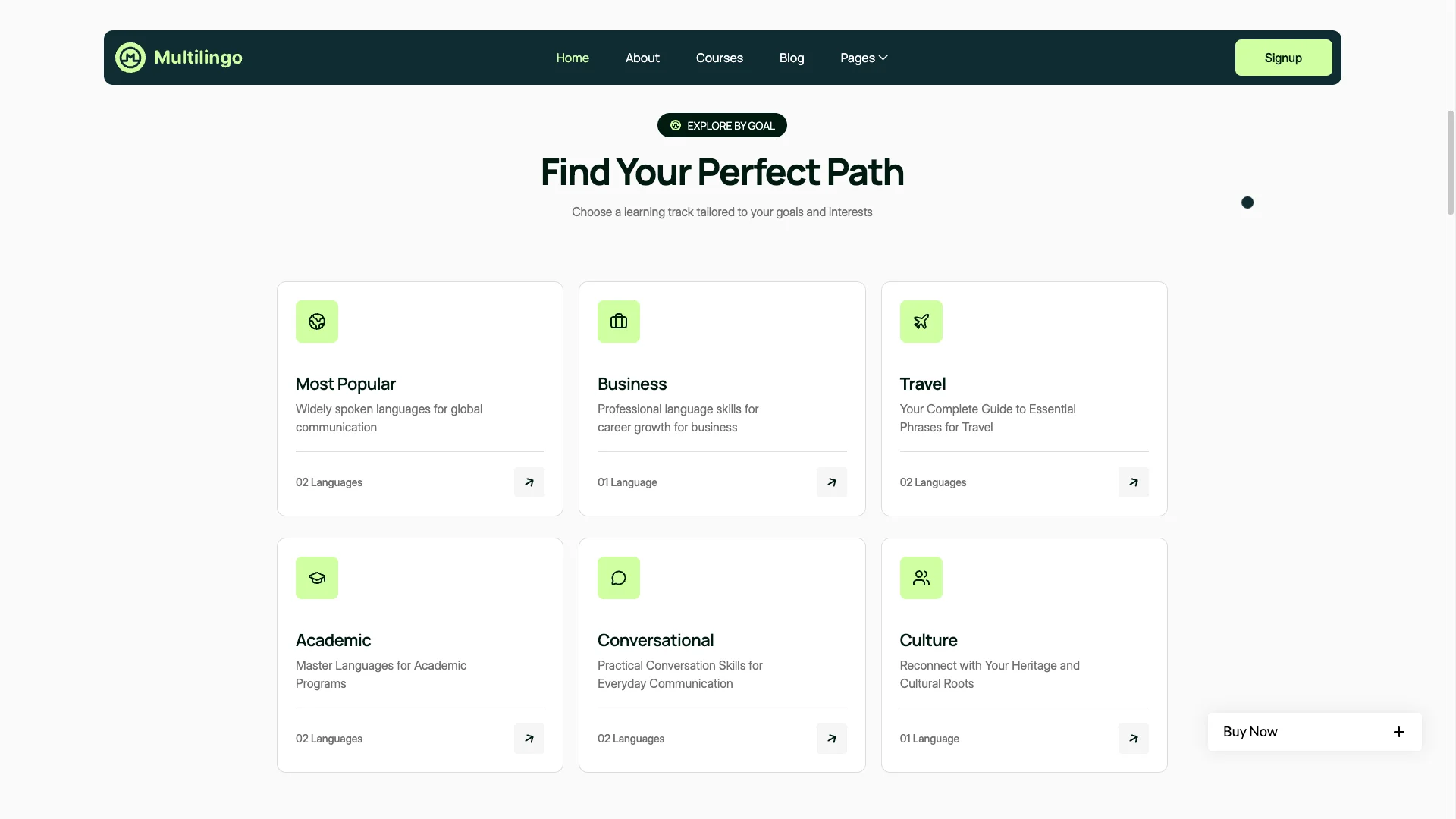
Featured Courses: Highlight popular languages in a stylish grid. Each card links directly to course details or tutor profiles, keeping top content visible.
Impressive Blog Showcase: Share language tips, learning guides, or course updates in a CMS-powered blog.

Expandable FAQ: Answer common questions with a clickable accordion. Covers topics like course schedules, levels, refunds, certification, and platform access.
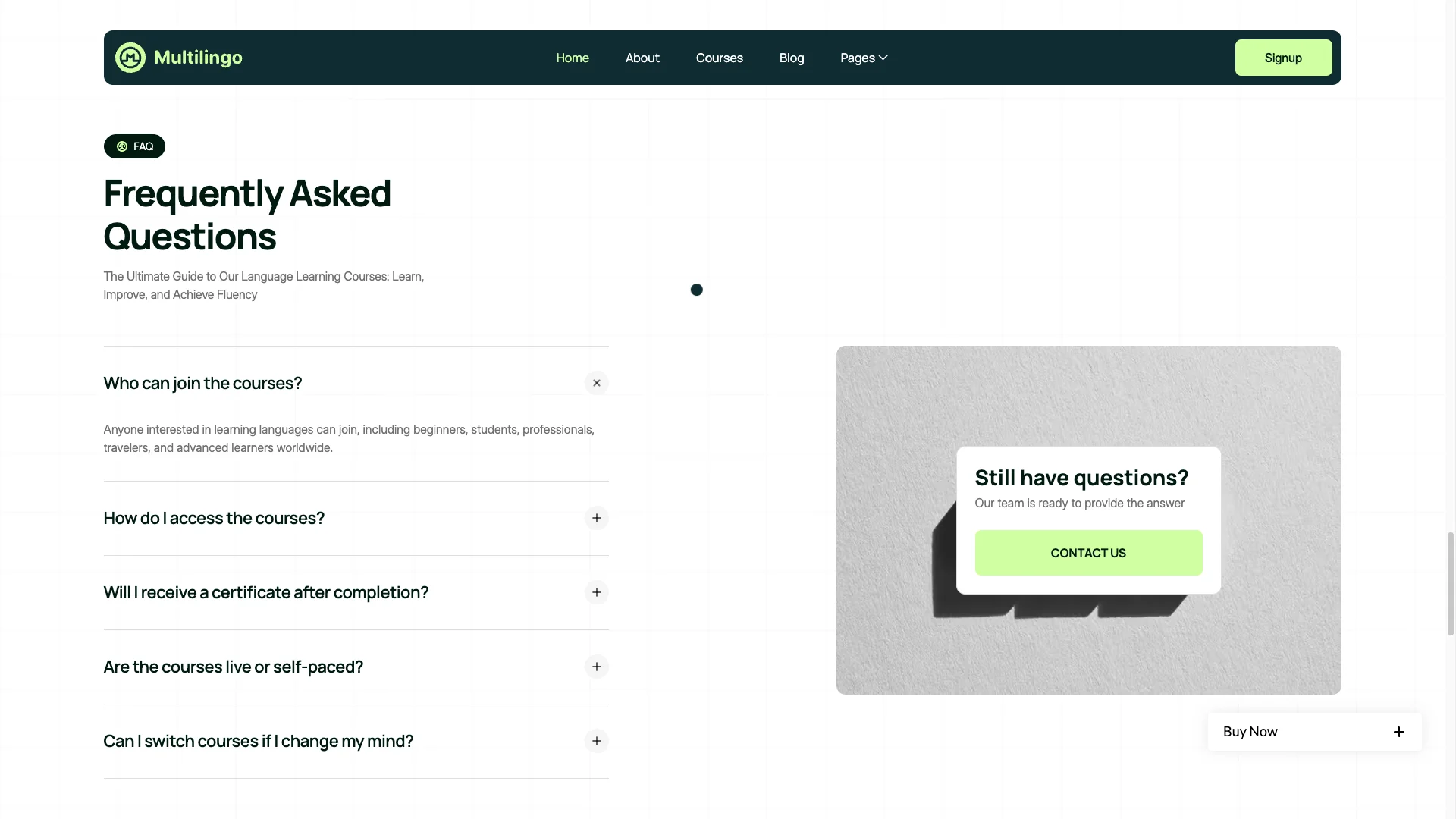
Contact & Enrollment Forms: Dedicated pages and sections for inquiries, course sign-ups, tutor bookings, or partnership requests. Makes it easy for students to connect.
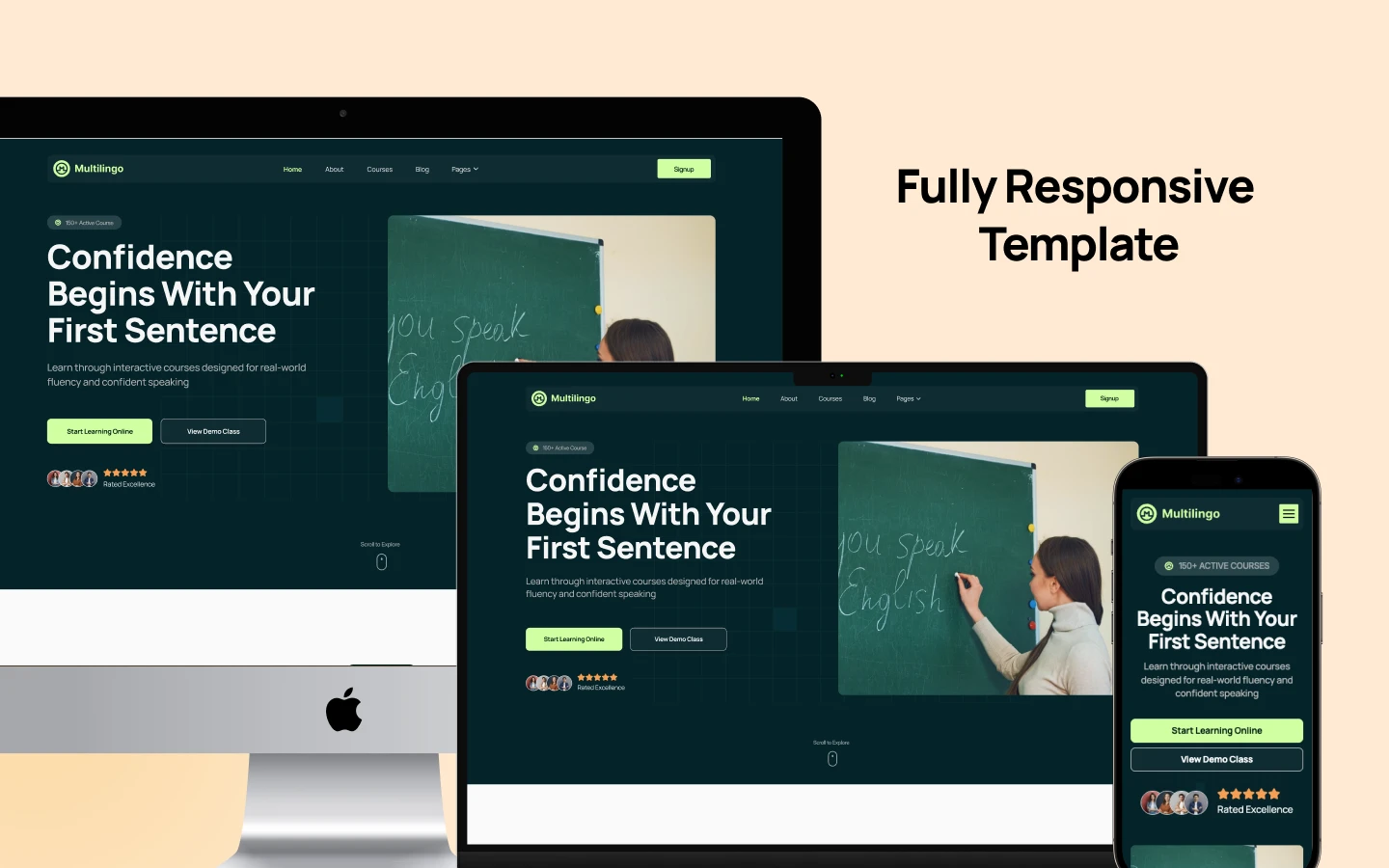
Works Everywhere: Fully responsive design for desktop, tablet, and mobile. Retina-ready images, smooth typography, and flexible layouts ensure perfect performance.
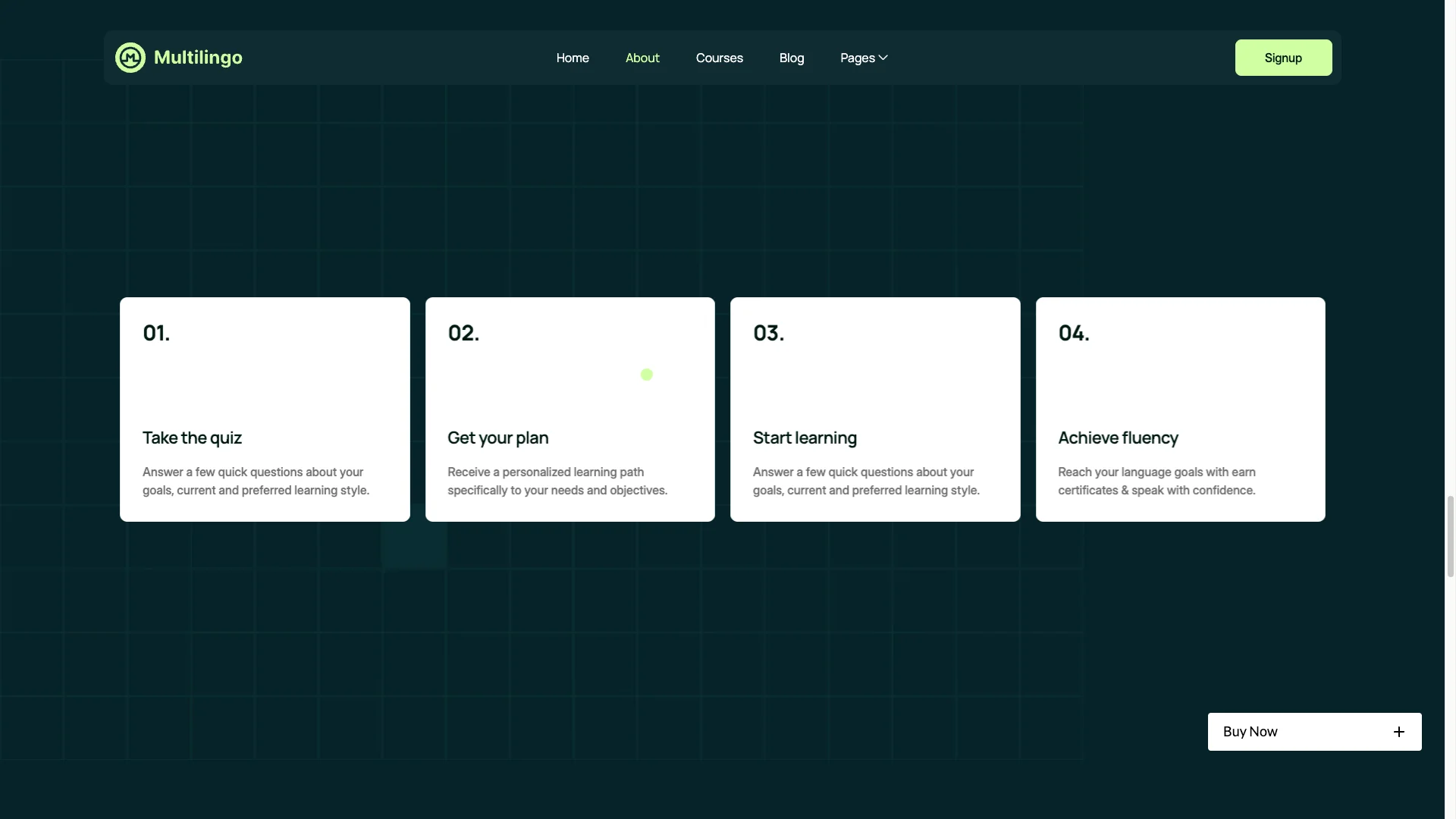
Smooth Animations: Scroll-triggered animations, hover effects, and interactive elements add polish. Visitors notice the premium feel.

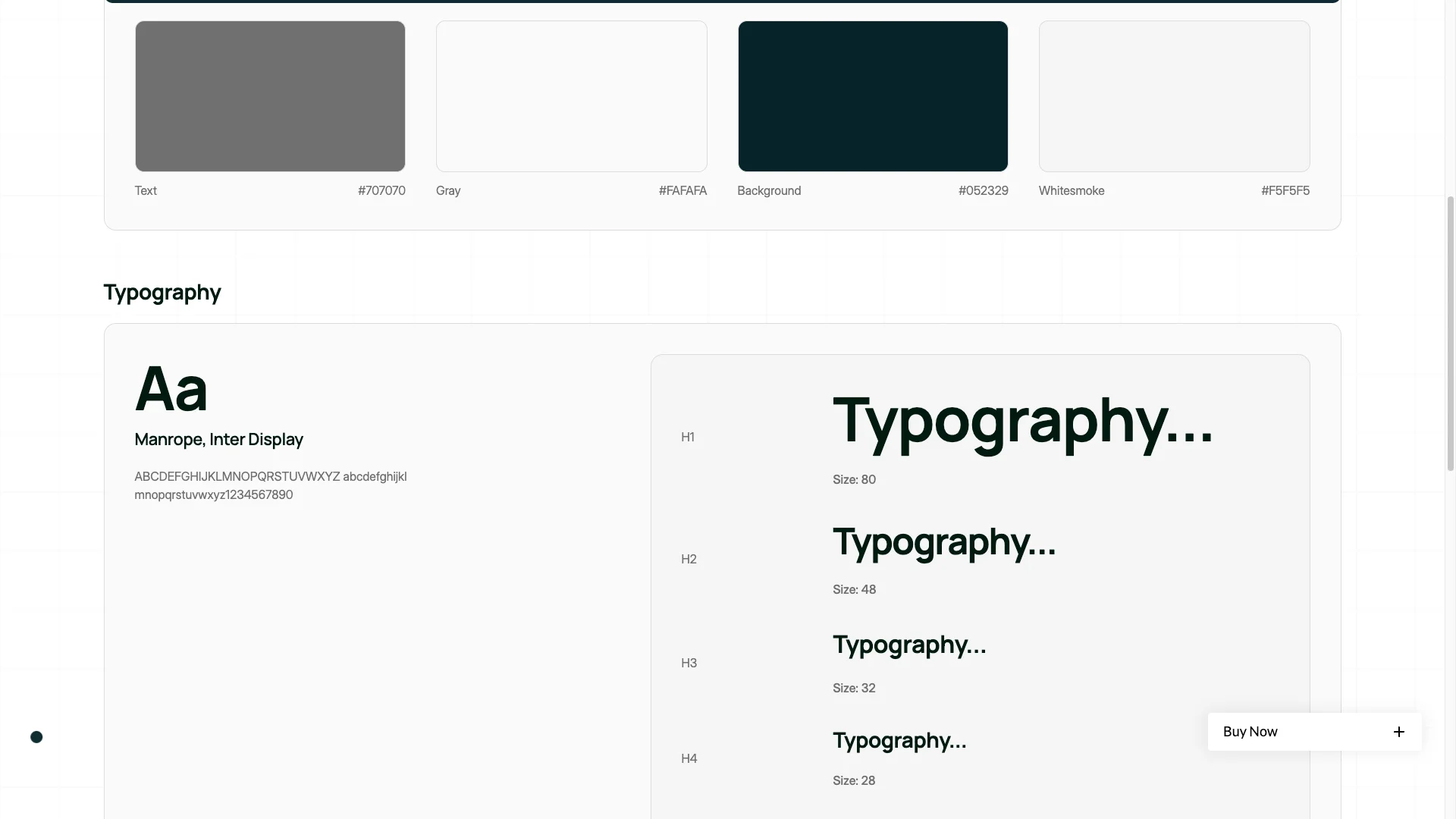
Everything You Need: Includes a style guide, setup instructions, changelog, license info, policies, and everything you need for your language learning website.
Professional Support & Updates: TNCFlow support responds quickly and regularly with template improvements.
Need the Figma file? Simply send us a message after purchase. We’ll send it ASAP.
How to Use Multilingo – Webflow Language Learning Website Template?
Click Here to purchase the Multilingo Webflow template
Follow the steps to get your site ready
Replace content with your own
Adjust the design slightly if you want
Preview & Publish
Watch On YouTube
Ready to Launch Your Language Platform:
Launch your professional language learning website in hours with Multilingo. Duplicate the template in a new Webflow project and customize using built-in style guides and CMS collections. Perfect for language schools, online tutors, course platforms, academies, and edtech brands. TNCFlow provides fast expert support and regular updates for performance, security, and modern design standards.
Select template
Choose one or more options for your build
